Understand the Culture & Context
Table of Contents
I have been planning to create a guide for foreigners visiting the Philippines, and I believe this is the perfect time to start. Let us begin with our first piece of advice: Context is king!
If you are a foreigner in the Philippines, remember that context is key to understanding. What you hear, read, or see might have a specific cultural or historical background, and it is essential to pause and understand it before forming conclusions. As a visitor, it is likely that some cultural nuances might escape you, so do not hesitate to ask for clarification.
Jumping to conclusions based on your cultural perspective could lead to an awkward or embarrassing situations. And this does not only apply to in-person interactions; it is just as relevant in the online world, including SNS or social media.
Here are three examples why context is important:
Examples of Misunderstanding Context
The "KKK" Misunderstanding
An African-American vlogger who visited the Philippines once posted a video expressing outrage at a restaurant named KKK in SM Mall of Asia. He assumed the name was related to the American Ku Klux Klan—a white supremacist group—and accused Filipinos of racism, promising never to return to the Philippines, and urged others to avoid the country.
However, he faced severe criticism in the comments section of his video from both Filipinos and his fellow African-Americans. Why? Because in the Philippines, KKK stands for "Kataastaasan Kagalang-galang na Katipunan ng mga Anak ng Bayan" (also shortened as Katipunan), which translates in English as the Supreme and Honorable Association of the Children of the Nation, a revolutionary group who fought against the Spanish invaders.
Did you know?
While the sovereign Sultanates of Mindanao and the village-states of the Cordillera successfully repelled conquest, the inhabitants of the lowlands endured 333 years of brutal, discriminatory, and racist Spanish occupation defined by harsh colonial rule.
While the video has since been removed, it is unclear whether the vlogger apologized or acknowledged his misunderstanding. This situation clearly demonstrated the need to grasp the context before drawing conclusions.
Misinterpretation of How "Black" was Used
A recent incident in the Philippines involved a half-Nigerian, half-Filipino individual who felt offended by how he was described in a receipt:
SA NAKABLACK NA NAKAUPO SA 14 KULOT ANG BUHOK KAMUKHA NI BLACK JACK.
The English translation is: 「 To the one in black, sitting at table 14, with curly hair, and resembling Black Jack.」
The customer perceived this as a racial reference and took offense. However, in Filipino, "nakablack" simply means "the one wearing black", with no racial connotations whatsoever. Meanwhile, the comparison to "Black Jack" referred to a well-known Filipino actor, comedian, and reggae singer, named Blakdyak, not a derogatory racial reference.
Despite this, the customer felt discriminated against due to a lack of understanding of Filipino language and culture. There was absolutely nothing racist in the said note pertaining to his skin color and/or racial background. In the Philippines, such descriptions are often used to identify someone based on their appearance—clothing and lookalike—without implying anything offensive, it is better to take it as a complement because they noticed what you were wearing and thought you look like a celebrity.
Misinterpretation of Negros
In 2019, the popular P-pop group SB19 tweeted,
Hello, Negros!
We are now in your zone!
Excited na kami sa mga mangyayari sa aming first stop for our nationwide tour 😊
—SB19
They were referring to Negros, an island in the Philippines with two provinces: Negros Occidental and Negros Oriental.
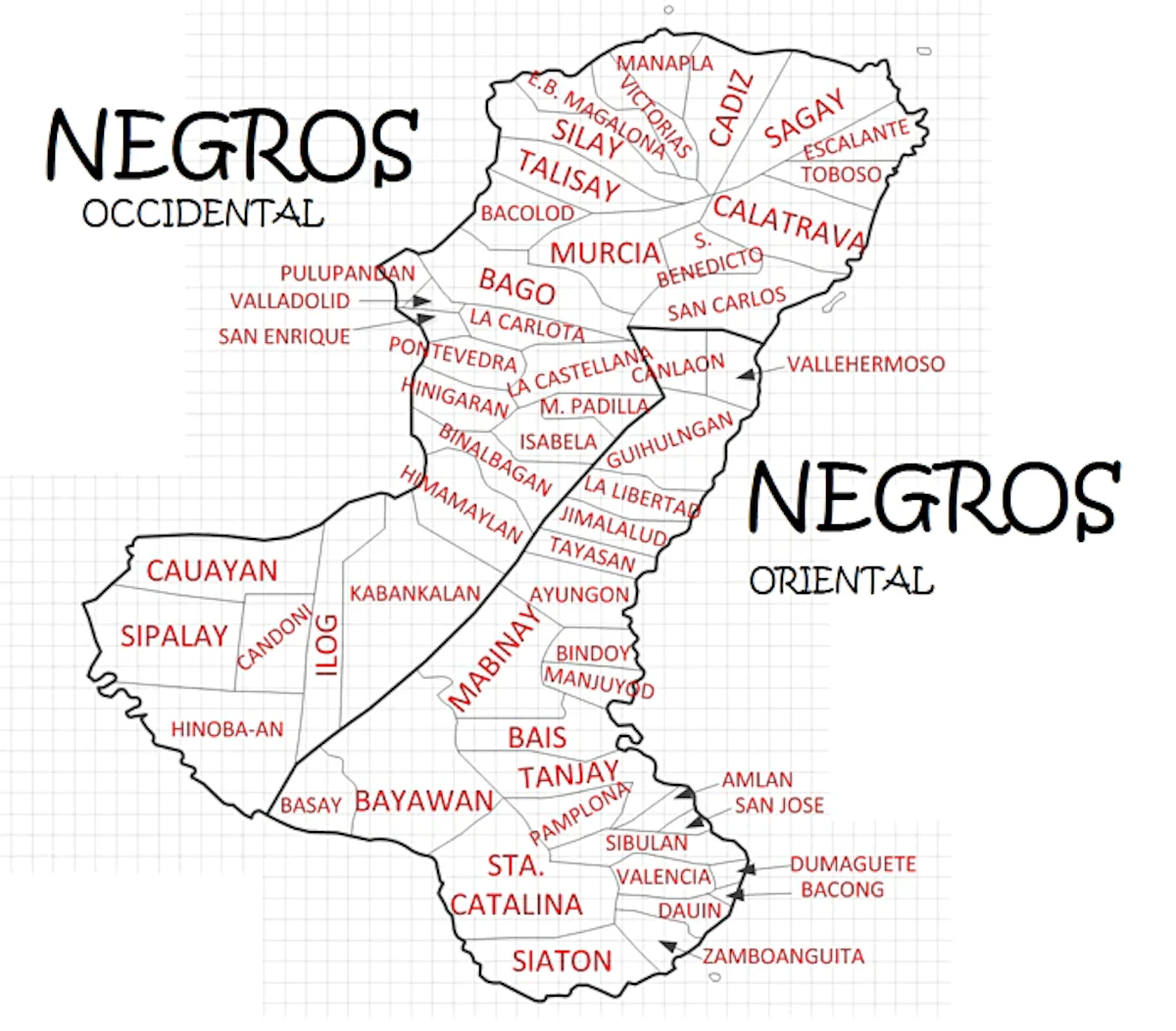
("Map of Negros Island" by Jumark27 licensed under CC-BY-SA 4.0.)
Q: Is your culture superior?
These examples demonstrate that context is crucial when visiting or interacting with another culture. Without understanding the context, you might misinterpret harmless remarks and create unnecessary tension.
Conclusion
As a foreigner in the Philippines, or in any unfamiliar culture, it is important to recognize that you might not fully grasp the context. If you are unsure about something, take a moment to pause and ask for clarification. This can prevent misunderstandings and ensure a smoother experience during your visit.
Moreover, the Philippines has a diverse range of regional cultures, even us Filipinos can sometimes misunderstand one another. So, do not be discouraged if things seem confusing at first—it is all part of the learning process and experience. Enjoy your stay, and remember to keep a broad mind, for yourself and for others.
Reminder: Context is king!
If this work has informed, been useful, or saved you time, please consider sending a tip. 🙇🏽 Your support keeps this sustainable. 🖖🏽
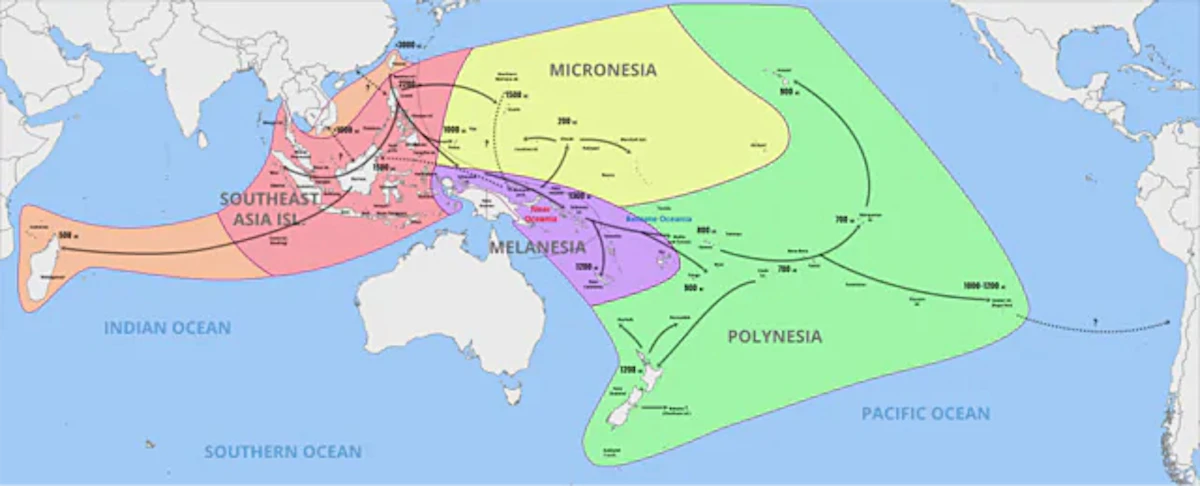
Cover image: "Chronological dispersal of Austronesian people across the Pacific" by Pavljenko, licensed under CC-BY-SA 4.0.
Originally posted on 《YOOki Chronicles》 entitled 〈Advice for Foreign Visitors to the Philippines: Understanding Context〉 on 2024-05-10 at 17:27 ACT.
〈Understand the Culture & Context〉 © 2024, 2026 by Yohan Yukiya Sese Cuneta · Yelosan Publishing is licensed under CC BY-SA 4.0, except where noted.